
The gig economy provides new ways for people in the United States to make money with side jobs. Among these, Amazon Flex stands out as a flexible opportunity. It interests many looking for additional income, freedom, or just something different from traditional work.
This article covers how Americans can join Amazon Flex as delivery drivers, what to expect during signup, and what a typical experience can look like. If flexible work and the chance to boost your income interest you, this guide could be helpful.



Whether you have spare time during the week, want a new gig, or need a work style that fits changing schedules, the information here aims to clarify what driving for Amazon Flex involves. Understanding the basics often helps people decide if the role fits their goals.
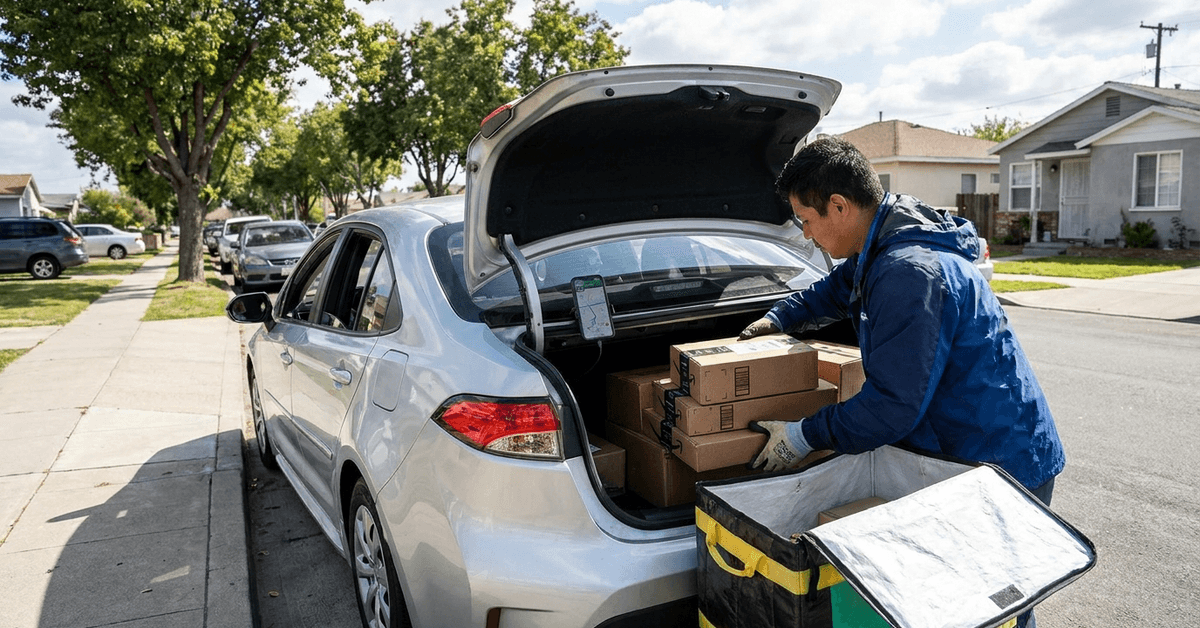
What Is Amazon Flex and Why Are People Signing Up?
Amazon Flex is a crowdsourced delivery program that lets independent contractors deliver packages for Amazon using their own vehicles. This system offers a flexible way to earn without the commitment of a standard nine-to-five job.
Many find it appealing because Amazon Flex allows schedules to be set week by week. Drivers pick their own delivery blocks, meaning there's no requirement for minimum hours. Financially, the earnings potential and predictability draw a lot of attention.
For people who value independence, a straightforward app interface, and set pay rates per block, this platform holds some unique advantages—though, as always, it depends on each person's situation and goals.
How Does Amazon Flex Work in the United States?
The core of Amazon Flex is its block system—drivers select delivery windows that fit their lives. Once a block is scheduled, drivers visit an Amazon delivery station, scan the packages, and follow navigation instructions.
Deliveries range from standard Amazon.com packages to groceries through Prime Now or Amazon Fresh. The majority of blocks are around three to four hours, although block lengths can occasionally vary.
Amazon Flex operates in many metro regions across the US. Availability in certain cities, however, can sometimes be limited or cyclical. Sometimes, signing up may involve waitlists. Other times, onboarding is almost instant.
Amazon Flex Driver Requirements in the U.S.
Minimum Age and Documentation
Candidates must be at least 21 years old. They also need a valid U.S. driver’s license. Proof of auto insurance is required, meeting minimum state liability standards.
Eligible Vehicles
Most four-door sedans, SUVs, vans, or pickup trucks are acceptable for Amazon Flex deliveries. Compact two-door vehicles usually aren’t permitted due to space requirements for packages.
Background Check
Amazon conducts background checks covering driving history and criminal records. The process can take a few days, but occasionally, it might stretch over a week or so for some individuals.
Smartphone Compatibility
A modern smartphone (iPhone or Android) is necessary to use the Amazon Flex app. Compatibility may shift as the app updates, but generally, devices from the last several years work well.
Steps to Start With Amazon Flex in the United States
1. Download and Install the Amazon Flex App
The Amazon Flex application is not available in every app store. Applicants can get started by visiting the official Amazon Flex site to download the app directly and view city availability.
2. Complete the Registration Process
After creating an account, prospective drivers fill out registration details, including contact information and vehicle type. The app walks applicants through each field.
3. Consent and Background Check
During signup, Amazon requests authorization for a background screening. This includes a review of driving and personal history, following standard U.S. hiring practices.
4. Vehicle and Insurance Verification
Applicants upload documents showing valid vehicle registration and up-to-date insurance. Info must match the applicant’s name for quick processing.
5. Watch Training Videos and Quiz
The onboarding process includes video tutorials that review safety, package handling, and app usage. A brief quiz confirms understanding of the platform.
6. Select a Region and Delivery Blocks
Once approved, drivers choose their preferred delivery area and available blocks. Flexibility is a major draw—drivers may fit work around their lives, rather than the other way around.
How Much Do Amazon Flex Drivers Earn in the US?
Understanding Pay Per Block
Pay is based on block length and estimated number of deliveries. Nationally, rates average from $18 to $25 per hour before expenses, though local demand can shift totals up or down.
Payment Schedule
Amazon Flex pays drivers twice a week via direct deposit. There are no service fees or commissions deducted, but drivers must account for gas, insurance, and maintenance costs.
Expense Considerations
While earnings are appealing, drivers cover all vehicle-related costs. Factoring in mileage, gas, and upkeep gives a more realistic picture of net take-home pay.
Advantages of Being an Amazon Flex Driver
Flexible Hours and Self-Management
Scheduling one’s own work time is key to the Amazon Flex appeal. People choose when they work and how often. There's no pressure for fixed shifts or rigid clocking-in routines.
Simple Onboarding
The process to sign up and start can be less complex than other gig platforms. No interviews are required. Tech-savvy individuals may find the process straightforward.
Regular Payments
Amazon Flex’s payment speed stands out among gig jobs. With payouts twice weekly, there’s little lag between working and seeing earnings hit the bank account.
Potential Challenges and Things to Know
Competition and Block Availability
At times, especially in high-interest cities, blocks can be scarce. Drivers may need to refresh the app regularly to catch open slots, which can test patience.
Costs and Delivery Variables
Some drivers find that large delivery volumes or routes in unfamiliar neighborhoods add complexity. Traffic, parking, and weather may all impact how easy or difficult a block feels.
Tax Implications
Because Flex drivers are independent contractors, they are responsible for managing their own taxes. This typically means tracking expenses and reporting earnings as business income.
Legal and Safety Considerations for US Drivers
Drivers must comply with all local, state, and federal regulations. Insurance must stay current and in good standing. Because each city can differ, checking specific requirements might help drivers avoid surprises.
Amazon requires safe driving practices and prohibits illegal phone use while operating a vehicle. The app offers reminders for safety and delivery protocols, but real-world discipline is vital.
Is Amazon Flex the Right Choice for You?
It could be a good fit for people seeking flexible, straightforward gig work in the United States. Some drivers appreciate working independently; others look for stability or consistent hours elsewhere. The mix of flexibility, direct pay, and low-barrier entry makes it unique in the delivery market.
Deciding if Amazon Flex is worthwhile depends on personal priorities—like desired income, car ownership, and comfort with navigating new neighborhoods. For some, it’s a stepping stone; for others, a steady side gig. There isn’t just one ideal type of Amazon Flex driver, and honestly, it might require a little experimentation.
For those interested in joining, the official Amazon Flex application page offers up-to-date city lists, eligibility details, and onboarding tools. It’s the best place to gather specifics and, perhaps, take the next step if it seems right.
Conclusion: Exploring Earning Potential with Amazon Flex in the United States
Amazon Flex presents a modern way for U.S. residents to shape their own work schedules. Earnings, flexibility, and quick onboarding stand out. However, block competition and expense management require attention.
If a balance of reliability and autonomy would fit your goals, Amazon Flex might be worth considering. For accurate and official information, or to launch your application, visit the Amazon Flex official site.